















The rise of AI search has sparked a lot of debate in digital marketing circles. Many teams are asking whether traditional SEO still matters or if Generative Engine Optimization, often called GEO, should take priority. This discussion gained momentum after comments from John Mueller, a well known voice from Google.
Mueller’s perspective cuts through the noise. Instead of framing SEO and GEO as rivals, he encourages marketers to focus on what actually delivers value. This article breaks down the SEO vs GEO debate and offers practical guidance you can apply today, especially if you are balancing limited time, budgets, and growing expectations.
SEO vs GEO Debate Explained
The SEO vs GEO debate explained often sounds more dramatic than it really is. SEO focuses on optimizing websites so they rank well in search engines. GEO focuses on helping content surface in AI driven search experiences and generative answers. Because AI search is growing fast, some marketers worry that SEO is becoming outdated.
From Mueller’s point of view, this framing misses the bigger picture. SEO and GEO are not competing strategies. They are different ways content can be discovered. The real issue is whether your content is genuinely useful and accessible. If it is, it has a better chance of performing well in both traditional search and AI search environments.
What SEO Still Represents in Modern Search
SEO is still about helping search engines understand your content. That includes clear site structure, helpful content, and technical basics like crawlability. These fundamentals have not changed just because AI is involved.
SEO also delivers stability. Rankings build over time and can drive consistent referral traffic. For many businesses, SEO remains the most reliable source of high intent visitors. Ignoring it would mean walking away from a proven channel that still compounds value month after month.
What GEO and AI Search Are Trying to Solve
GEO aims to improve visibility in AI generated answers. AI search tools summarize information and present it directly to users. This can reduce clicks but also expose content to new audiences.
AI search tries to solve speed and convenience for users. It pulls from structured, clear, and authoritative sources. That means content written clearly for humans often performs better here too. GEO is less about tricks and more about clarity, context, and usefulness.
John Mueller’s Core Message to Digital Marketers
Mueller’s core message is simple. Do not chase every new label or trend. Google does not view SEO and GEO as opposing forces. Both rely on the same foundation: helpful content created for users.
He emphasizes sustainability. Short term tactics aimed only at AI visibility may fade quickly. Marketers should instead focus on building content and sites that remain valuable regardless of how search interfaces evolve.
Why Chasing Every New AI Trend Can Be Risky
AI platforms change quickly. Features appear and disappear. Traffic patterns fluctuate. Investing heavily in unproven tactics can lead to wasted effort and unstable results.
Mueller warns against overreacting. If your strategy depends on exploiting a temporary AI behavior, it may stop working without warning. Stability matters, especially for businesses that rely on predictable lead flow and conversions.
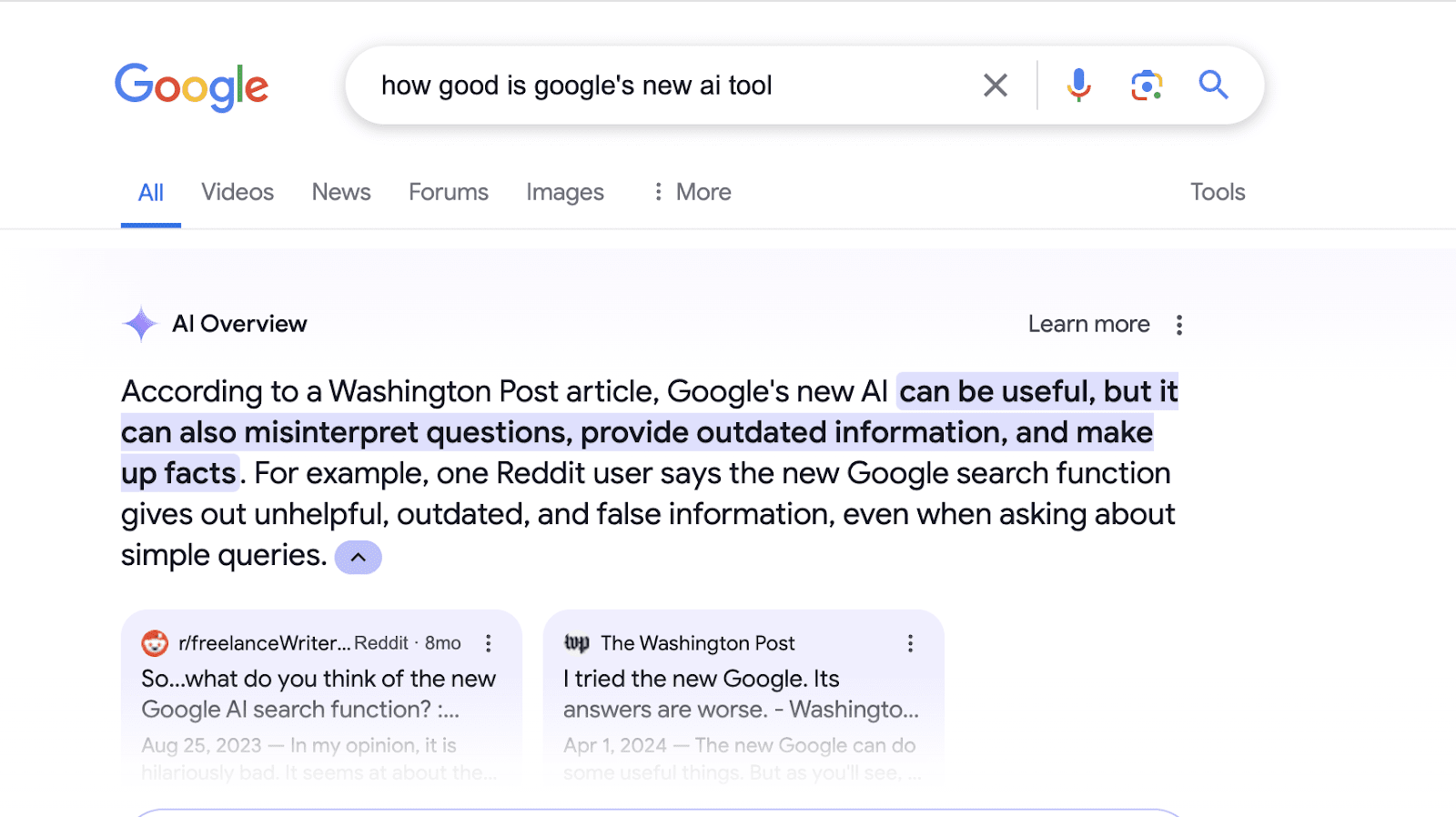
Why Fundamentals Outlast Algorithm Shifts
Core fundamentals like relevance, accuracy, and trust are hard to replace. Algorithms change, but user expectations stay similar. People want clear answers and reliable information.
Content that meets these expectations tends to adapt well to change. It can rank in search, appear in AI summaries, and earn links and mentions over time. This is why fundamentals remain central to both SEO and AI search.
AI Search Visibility Strategy Without Abandoning SEO
An effective AI search visibility strategy does not replace SEO. It builds on it. AI systems still rely on structured, understandable content. That means existing SEO work often supports AI discovery naturally.
Instead of creating separate workflows, teams can refine what they already do. Focus on clarity, depth, and intent. This approach supports both AI summaries and traditional rankings without doubling your workload.
Optimizing Content for Humans First
Human focused content is easier for AI to interpret. Clear explanations, logical flow, and plain language help users and machines alike.
When you answer real questions thoroughly, your content becomes more useful across platforms. This supports SEO and improves your chances of being referenced in AI generated responses.
Using Structured Content to Support AI Discovery
Structure matters. Headings, bullet points, and clear sections help AI systems understand context. Consistent terminology and defined entities improve interpretation.
This does not require complex markup. Simple, well organized content is often enough. The goal is to remove ambiguity so your message is easy to extract and summarize.
Balancing AI and Traditional SEO in Practice
Balancing AI and traditional SEO means making smart choices. Most teams cannot do everything at once. Prioritization is essential.
Mueller’s advice encourages marketers to strengthen their foundation first. Once that is solid, experimenting with AI search becomes less risky and more informative.
Also Read: Is LLMS.txt Useful After All? Google’s Update Raises New Questions
Where SEO Should Remain the Foundation
SEO still drives consistent referral traffic. It supports brand visibility, authority, and long term growth. These benefits compound over time.
For most organizations, SEO should remain the core channel. It offers predictability that newer AI platforms cannot yet match.
Where AI Search Experiments Make Sense
AI search experiments work best as controlled tests. Try optimizing a subset of content or monitoring how AI tools reference your site.
Set realistic expectations. Measure learning rather than immediate traffic. This keeps experiments useful without disrupting proven strategies.
Prioritizing Referral Traffic Sources That Actually Convert
Mueller also highlights the importance of referral traffic quality. Not all traffic is equal. High intent visitors matter more than raw numbers.
AI search may bring visibility, but conversions depend on relevance and trust. Evaluating where your best leads come from helps guide smarter investment.
Evaluating Traffic Beyond Raw Numbers
Look at engagement, time on page, and conversions. AI driven visits may behave differently than search visits.
Understanding these patterns helps you decide where to focus. Traffic that does not convert may still have branding value, but it should not dominate your strategy.
Building a Diverse and Resilient Traffic Mix
Relying on one channel is risky. A healthy mix includes SEO, referrals, and emerging platforms.
Diversification protects your business from sudden changes. It also creates more opportunities to reach users at different stages of their journey.
Frequently Asked Questions
What is the SEO vs GEO debate
The SEO vs GEO debate centers on whether traditional search optimization or optimization for AI generated answers should take priority. In practice, both rely on similar fundamentals. Helpful, clear content supports visibility across search engines and AI platforms without requiring separate strategies.
Does Google support Generative Engine Optimization
Google does not officially promote GEO as a separate discipline. According to John Mueller, Google focuses on rewarding useful content. If content serves users well, it can perform across different search experiences, including AI driven features.
Should marketers invest in AI search optimization
Marketers should approach AI search thoughtfully. Small experiments make sense, but not at the expense of proven SEO practices. AI visibility should complement existing strategies rather than replace them entirely.
Is SEO still relevant with AI search tools
SEO remains highly relevant. It drives consistent referral traffic and supports discoverability. Many SEO best practices also help AI systems understand and surface content effectively.
How does AI search impact referral traffic
AI search can reduce clicks for simple queries but may increase exposure for in depth content. The impact varies by topic and intent. Monitoring engagement helps assess real value.
What did John Mueller recommend focusing on
Mueller recommends focusing on fundamentals like helpful content, accessibility, and user value. He advises against chasing trends that promise quick wins without long term stability.
Can GEO improve search visibility
GEO can improve visibility in AI generated answers when content is clear and authoritative. However, it works best when built on strong SEO foundations rather than isolated tactics.
How should small teams balance SEO and AI search
Small teams should prioritize SEO first. Once the basics are strong, they can test AI related optimizations in limited, low risk ways that fit their resources.
What risks come with chasing AI trends
AI trends change quickly. Overinvesting in unproven tactics can waste time and resources. A balanced approach reduces risk and maintains stability.
How can brands future proof their search strategy
Brands can future proof by focusing on users, not algorithms. Clear structure, accurate information, and consistent quality adapt well to changes in search and AI platforms.
At ITXITPro, we usually recommend treating SEO and AI search as complementary forces. By grounding your strategy in fundamentals and experimenting carefully, you can stay visible today while preparing for whatever search becomes next.